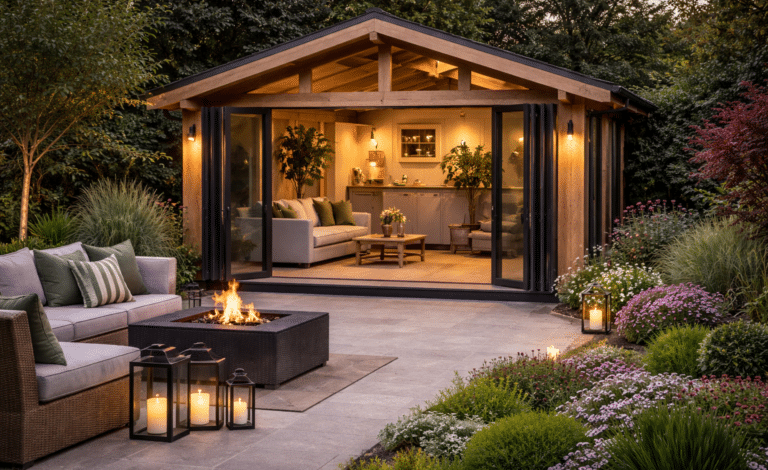
Somewhere between scrolling past a beautifully styled garden and tripping over a deflated paddling pool in their lawn, most of us have thought they need to do something with their garden.
The good news is that we’re not alone, and the proof is in the data.
A recent survey of 2,000 UK adults pulled back the curtain on exactly how Brits feel about their outdoor spaces. It also shows what they actually want from these spaces, and what keeps getting in the way.
Spoiler: it’s less about topiary and more about a decent place to sit down with a cup of tea.
Whether your garden is a sprawling lawn, a modest patio, or a collection of pots held together by optimism, this one is for you.
What the Garden Survey Reveals
The survey questioned 2,000 UK adults about how they use their outdoor spaces, what they wish those spaces looked like, and what stops them from making the most of them. The results paint a surprisingly honest picture of the nation’s relationship with its gardens.
Relaxation came out on top as the number one priority. Not entertaining, not impressing the neighbours, and definitely not growing prize-winning courgettes—just a quiet spot to unwind.
That finding alone says a great deal about what UK gardens are increasingly expected to deliver.
The survey also revealed a significant shift in how people think about their outdoor spaces. Gardens are no longer being saved for special occasions or summer bank holidays.
More and more, people want them to work as an everyday extension of the home. They want them to be somewhere to step into after work, not somewhere to dust off twice a year.
Perhaps most tellingly, a notable portion of respondents felt their garden simply was not usable enough. That gap between what people have and what they want is exactly where the most useful changes begin.
The Outdoor Spaces Brits Actually Want
So, what does the ideal UK garden actually look like? The survey points to clear patterns in the types of outdoor spaces that resonate with British adults. They’re not mutually exclusive, and chances are you will see a bit of yourself in more than one.
Relaxation-Focused Gardens
With 44% of respondents identifying relaxation as their top garden priority, this is the most data-backed desire in the entire survey. People want a space that invites them to stop, take a deep breath, and relax.
In practice, that translates to comfortable outdoor seating (not the kind that leaves marks on the back of your legs).
It also means quiet corners tucked away from neighbours, and a low-maintenance setup that doesn’t demand constant attention to look decent.
The goal here is a design that evokes calm and peace. Think soft planting along boundaries, a sturdy weather-resistant chair or two, and ground cover that does not require weekly intervention.
If your idea of relaxing in the garden currently involves a list of chores, it doesn’t align with this type of garden.
The ‘Outdoor Living Room’ Garden
A strong theme in the survey was the desire to treat the garden as a genuine extension of the home. It should feel like it’s a natural extension of the house rather than a separate, underused afterthought.
This type of garden leans into comfort and atmosphere. It often includes outdoor sofas, all-weather rugs, solar lighting strung overhead, and side tables that can survive a British drizzle. The goal here is to create a space that feels lived-in and welcoming on a Tuesday evening, not just during a summer gathering.
It sounds indulgent, but it’s actually quite practical. A garden you genuinely enjoy spending time in every day delivers far more value than one you save for guests.
A few considered investments in weather-resistant furnishings and ambient lighting can shift the whole feel of the space.
The Practical Gardening Space
Interestingly, the survey found that active gardening has overtaken hosting as a motivation for spending time outdoors.
People are less focused on impressing guests and more interested in growing herbs, vegetables, flowers, or anything green they can successfully keep alive.
A practical gardening space puts function first. Defined planting zones keep things organised and help you stay on top of maintenance without the whole space descending into chaos.
Raised beds, clearly edged borders, and dedicated composting areas all make the experience more manageable and more rewarding.
If you are starting from scratch or redesigning an overgrown space, working with local landscaping services can make a real difference at the planning stage. Getting the layout and drainage right from the beginning saves a great deal of frustration down the line.
The Zoned Garden
One of the more telling findings from the survey was the growing appetite for zoned gardens. These are outdoor spaces divided into distinct areas, each designed for a different purpose.
Rather than a single undifferentiated lawn, people want their garden to serve multiple purposes.
A well-zoned garden might feature a seating area for relaxing in the evening, a separate dining spot for warmer nights, and a dedicated corner for planting.
These zones don’t need to be large or formally structured. Even subtle shifts in level, material, or planting can signal a change in function and create a sense of purpose in each area.
You’ll find that this garden suits the UK climate particularly well. On a bright afternoon, you might want to sit in the sun. An hour later, when the wind picks up, a sheltered corner becomes considerably more appealing.
Giving yourself options means that your garden stays usable for most of the year, which in the UK is a necessity.
The Low-Effort, Always-Ready Garden
The survey also highlighted two significant barriers to enjoying outdoor spaces. Many people feel their garden requires too much effort before it’s usable, while others say it constantly needs tidying before they can actually use it.
The antidote is a garden designed around ease. That means hard-wearing surfaces that stay presentable without scrubbing. It also means planting schemes that require minimal upkeep, and storage solutions that keep clutter hidden rather than accumulating on the patio.
The aim here is to create a garden you can step into and enjoy, without a 40-minute declutter mission first.
Materials make a significant difference here. Composite decking, gravel paths, and perennial planting all reduce ongoing demands.
A garden that requires little to no maintenance is not far from the realm of possibilities. With the right design choices, many UK gardeners are already achieving this.
Conclusion
The survey makes one thing abundantly clear: Brits don’t want a showpiece garden. They want a garden that actually fits around their lives. They want somewhere to exhale, grow things, eat outside occasionally, and not spend every spare weekend maintaining.
Whichever of these spaces resonates with you, the best time to start shaping it is now. Your garden is waiting, and frankly, so is the tea.